Teaching in 2026: Why Flexible Private Tuition and Qualified Tutors Are the Future

If you’d told me ten years ago that I’d be running a private tuition business while still calling myself — proudly — a teacher, I might have raised an eyebrow and asked what had happened to the profession.
Fast forward to 2026, and here we are.
After years in the classroom, leading science departments, mentoring colleagues, poring over examiner reports, and refining how students can squeeze every available mark out of an exam question, I’ve reached a clear conclusion:
Flexible private tuition, delivered by qualified teachers, isn’t a luxury anymore. It’s a vital layer of support for many young people.
And no — this isn’t a criticism of schools. It’s a reflection of the pressures they’re under.
The Classroom Has Changed — and Teachers Are Stretched
Teaching has always been demanding, but today’s classrooms look very different to those of even five years ago.
Classes are larger.
Curriculum content is denser.
Time for individual feedback is limited.
Teachers are doing exceptional work in challenging conditions — but even the most skilled practitioner cannot always give every student the targeted, personalised support they may need, particularly in exam years.
That’s where tuition can step in — not to replace school, but to complement it.
Exam Success Is a Skill (and It Has to Be Taught)
One of the most common things I hear from parents is:
“They understand it in class, but it just doesn’t come out in the exam.”
That’s not a lack of intelligence — it’s a lack of exam fluency.
Modern GCSEs and A-levels assess far more than subject knowledge. Students must learn how to:
- interpret exam questions accurately
- respond to command words
- structure longer answers
- apply knowledge under time pressure
These are learned skills, developed through deliberate practice and expert feedback.
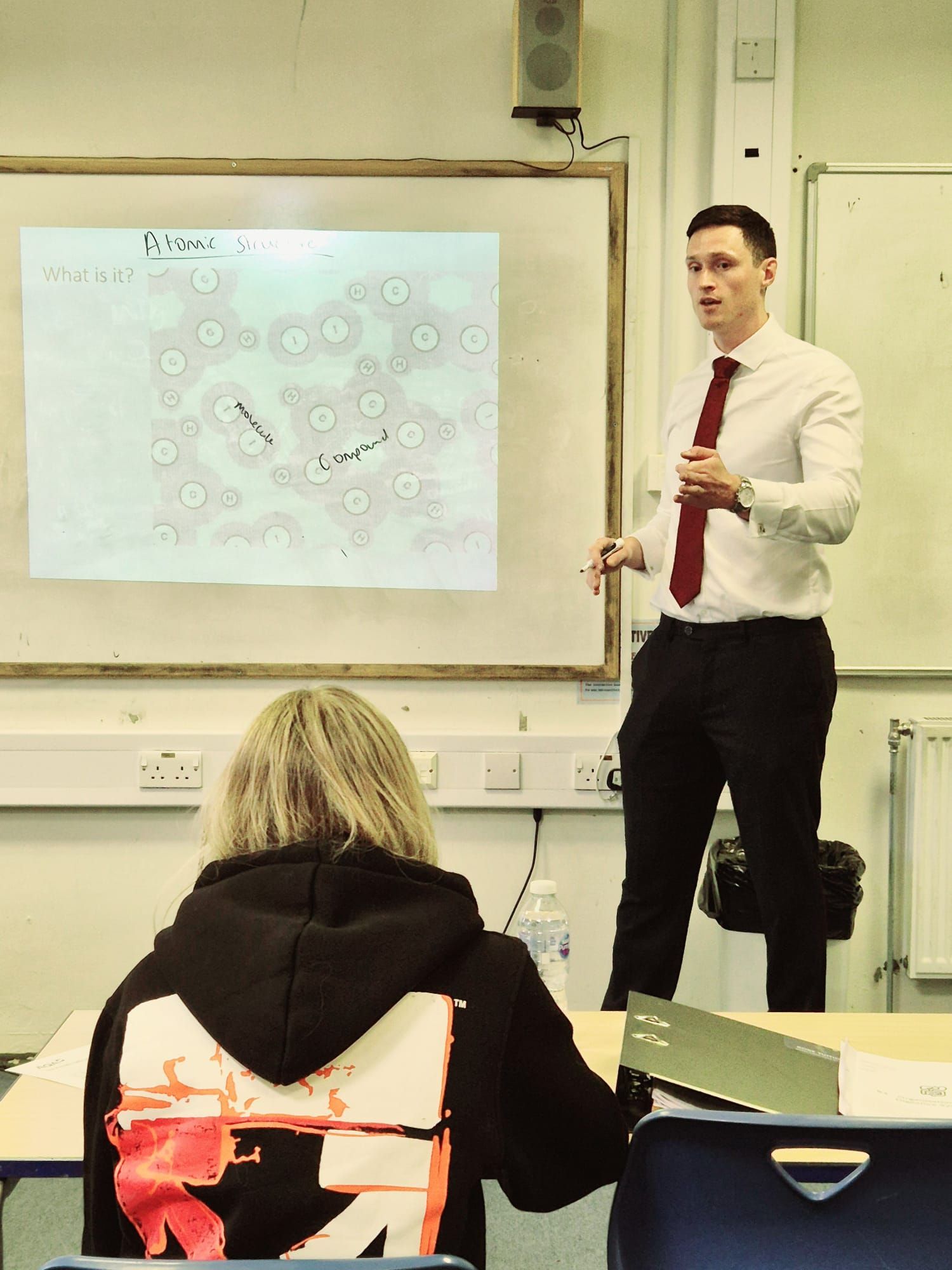
As teachers, we spend years analysing mark schemes, examiner reports, and student responses. We learn exactly where marks are gained, where they’re lost, and how small changes in technique can lead to big improvements.
That experience matters.
Why “Qualified Tutor” Isn’t a Bonus — It’s Essential
The tutoring landscape has grown rapidly, but not all tuition is created equal.
A qualified teacher brings more than subject knowledge. They bring:
- deep understanding of specifications
- real experience preparing students for exams
- safeguarding and professional accountability
- the ability to adapt explanations instantly
- an understanding of how students learn under pressure
In short, they don’t just teach content — they teach confidence, clarity, and exam readiness.
Tuition Should Be Accessible — Not Exclusive
Let’s address the elephant in the room: not every family can afford 1:1 tuition, and that should never be a barrier to high-quality support.
That’s why group tuition has become such an important part of the future.
When done properly, small group tuition:
- remains affordable
- maintains high teaching quality
- encourages discussion and confidence
- allows students to realise they’re not alone
- still provides targeted, exam-focused support
Group tuition isn’t “less than” 1:1 — it’s a powerful model in its own right when group sizes are kept small and teaching remains intentional.
For many families, it offers the best balance between cost, quality, and impact.
Flexibility Is What Families Need Now
Modern families are juggling more than ever. Education has to fit around real life.
That means:
- flexible scheduling
- online options that are genuinely effective
- small, focused groups
- tuition that adapts to students — not the other way around
Students need safe spaces to ask questions, make mistakes, and rebuild confidence. Parents need reassurance that support is purposeful, structured, and delivered by professionals who understand the system inside out.
From Classroom to Tuition — Without Losing What Matters
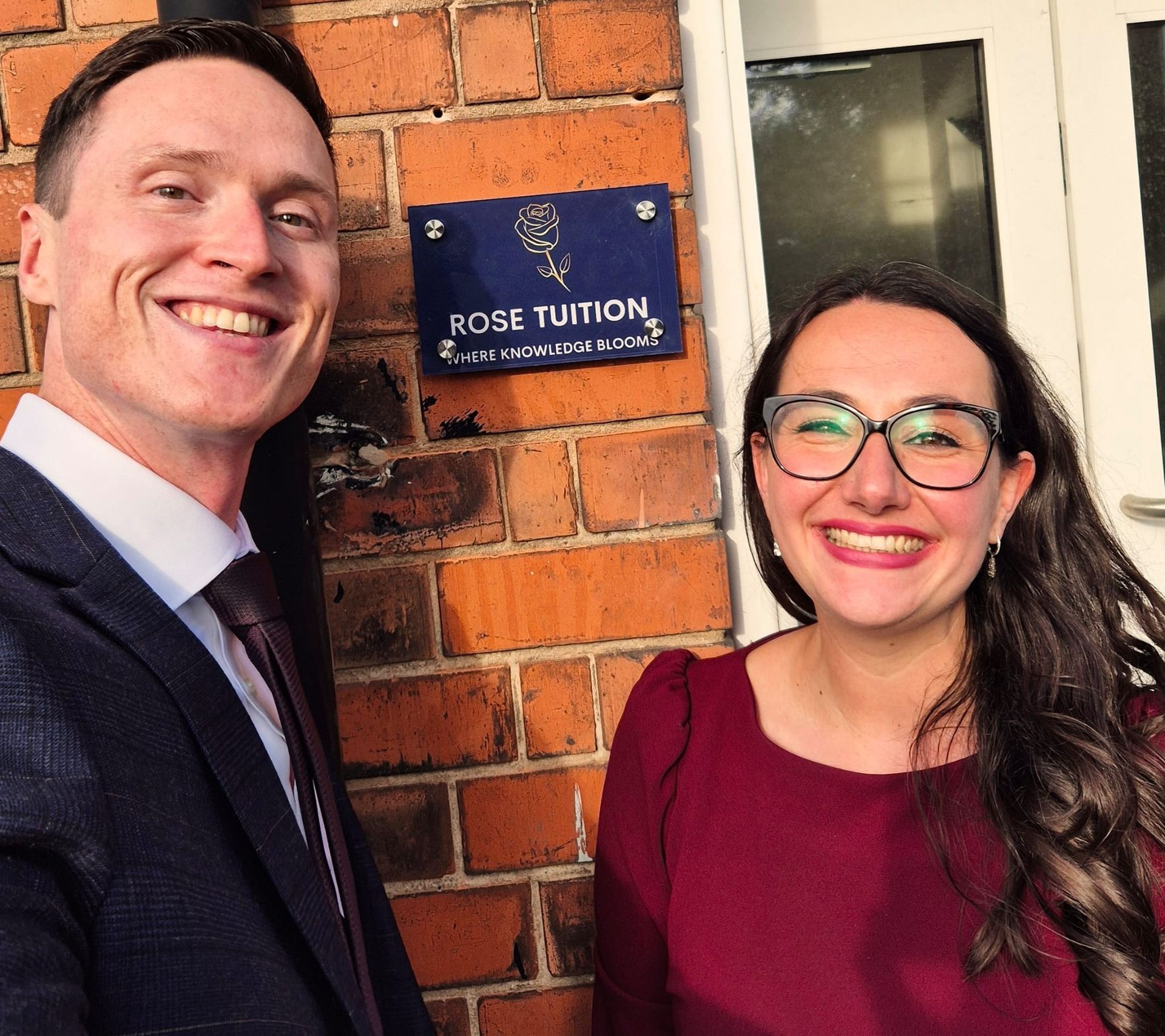
When I founded Rose Tuition, I carried one principle with me from the classroom:
Quality comes first. Always.
That means:
- tuition led exclusively by qualified teachers
- small group sizes
- exam-informed teaching
- affordability where possible
- no shortcuts, gimmicks, or false promises
It’s the same standard I upheld in school — just delivered in a way that better suits the realities of 2026.
The Future Is Supportive, Flexible, and Human
This isn’t about schools versus tuition.
It’s about working together.
The future of education looks like:
- schools providing strong foundations
- tuition offering precision support
- students feeling confident rather than overwhelmed
- parents feeling informed rather than anxious
Most importantly, it looks like education that meets students where they are — academically and emotionally.
Final Thought
Great teaching has never been about flashy resources or quick fixes.
It’s about expertise.
Relationships.
Clarity.
And care.
Flexible, high-quality tuition delivered by qualified teachers isn’t just the future.
It’s already changing lives — one small group at a time. 🌹